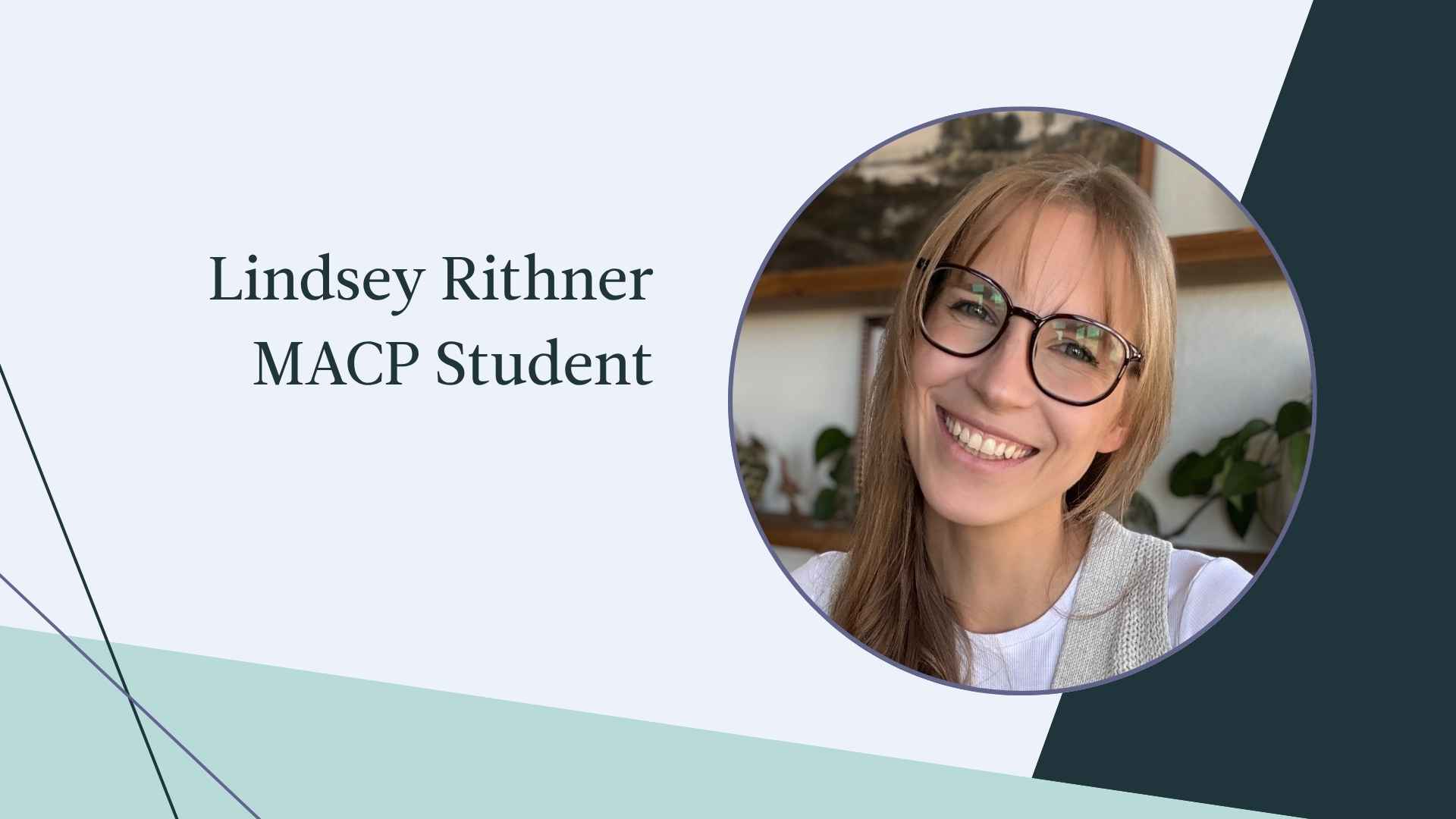
We are grateful for this conversation with Lindsey Rithner, a student in our Master of Arts in Counseling Psychology program.
What brought you to The Seattle School and how did you choose your degree program?
I was first introduced to The Seattle School because my husband, CJ, attended the on-campus program and graduated in 2020. At the time, we were houseparents in Bellevue, Washington, through a nonprofit called Eastside Academy. We lived with and cared for up to six teenage girls at a time, and many of them carried incredibly difficult stories. I absolutely loved caring for those girls, and that experience made me want to pursue counseling so I could continue caring for people through safe, deep, and attuned relationships.
What advice would you give to someone who is deciding whether or not to attend The Seattle School?
Trying to find the right program is hard! What stood out to me about The Seattle School was its emphasis on doing your own work – moving toward your own integration and healing while also becoming aware of what those things even mean to you. The Seattle School reminds me of getting your hands dirty in a garden. You get to be your messy human self alongside other messy humans who are also committed to understanding themselves so they can better care for others. We all have dirt under our nails from trying to create something beautiful. The Seattle School has been a wonderful community for helping me understand my own hands and how they create.
What do you love to do outside of school?
I’m a mom to three little ones, and I absolutely love being their mom. My husband and I love riding bikes together as a family and tackling house projects (mostly figuring out how to fit as many built-in bookshelves into our home as possible!). I also love writing and illustrating. My kids love crafting, so we spend a lot of time creating together.
You’re a writer and illustrator, tell us about your work.
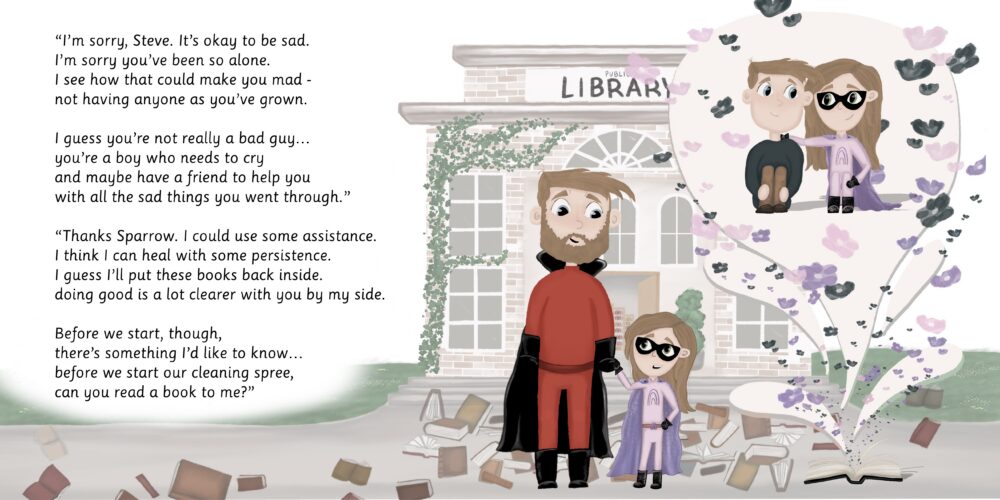
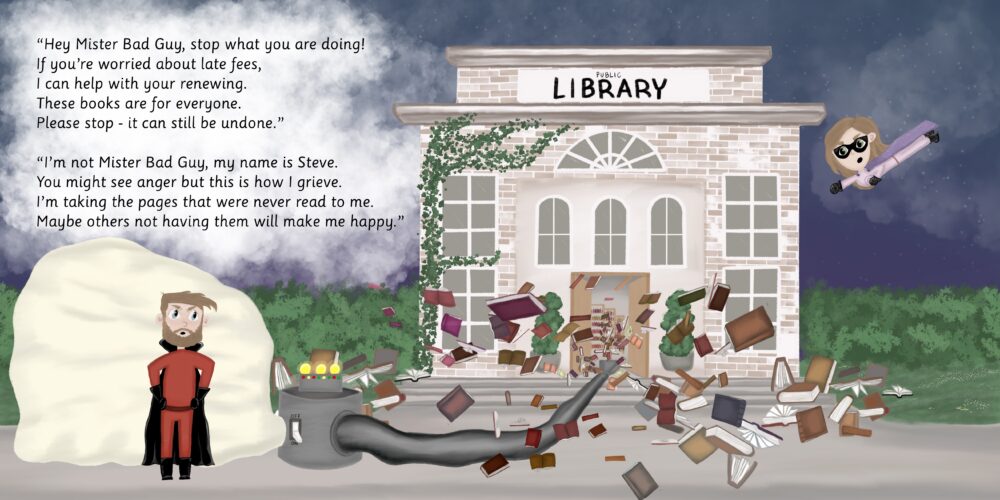
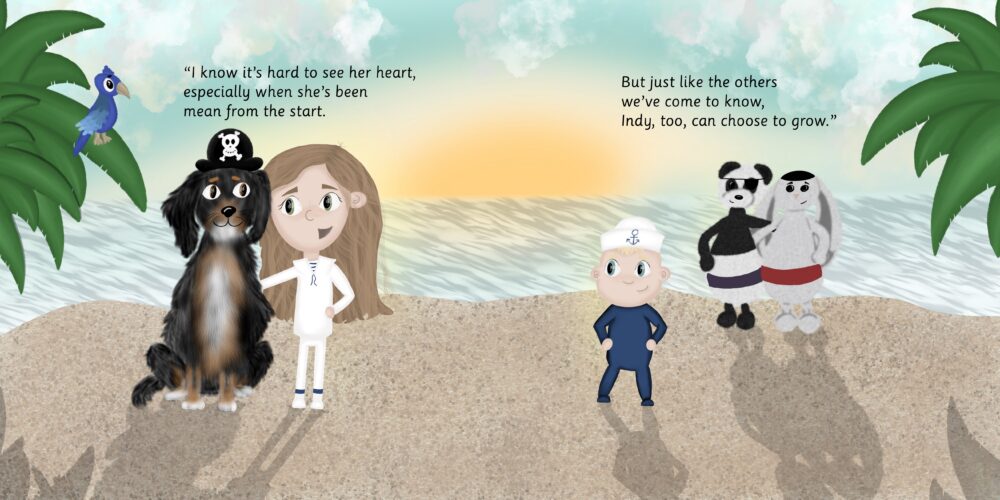
I’ve always loved writing and creating art, but I found myself writing children’s books when my mom was diagnosed with ALS. I wanted to give my family the same sense of magic and comfort that you can find in the pages of a children’s book. I wrote and illustrated a story about my kids traveling to St. Louis to visit their Nonna and the ways they could continue spending time with her as her body began to slow down. My mom passed away a few years ago, but I kept creating children’s books. I love creating stories that give kids more language for the emotions they experience. I also love illustrating pictures that invite them to pause, laugh, wonder, and notice how people live in relationship with one another.
What voices or inspirations shape the work you do?
Two of my favorite children’s books are The Rabbit Listened and The Boy, the Mole, the Fox and the Horse. My mom has also been one of the greatest inspirations behind my creativity. I think the biggest inspiration behind Little Miss Therapist and my upcoming book, Little Kid Therapist, is my own kids. They constantly amaze me with their ability to question the world around them, stay curious about people, and believe things can change for the better. Their playfulness, silliness, curiosity, and willingness to express themselves gave me the courage to finally share this passion project with others.
At The Seattle School we talk a lot about the intersections between theology, psychology, and culture, believing that how we engage God and spirituality shapes how we interact with others and how we view the world around us. How do you see your work fitting into that conversation?
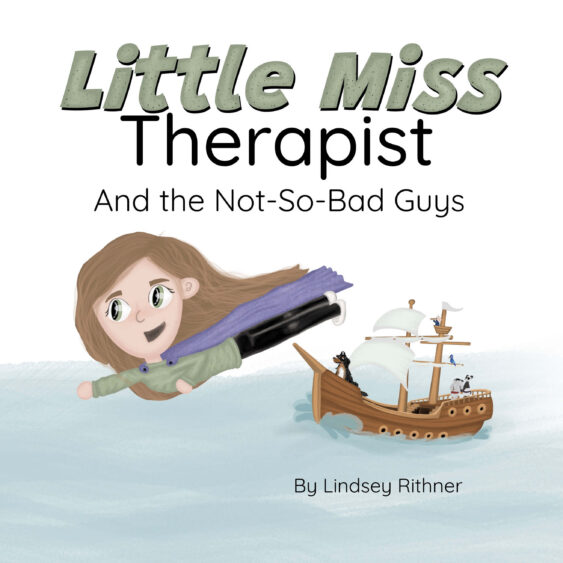
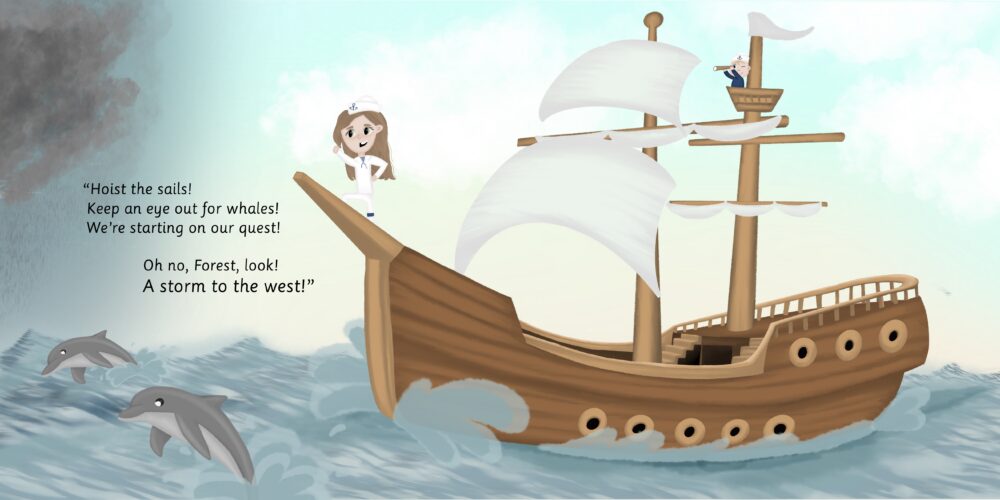
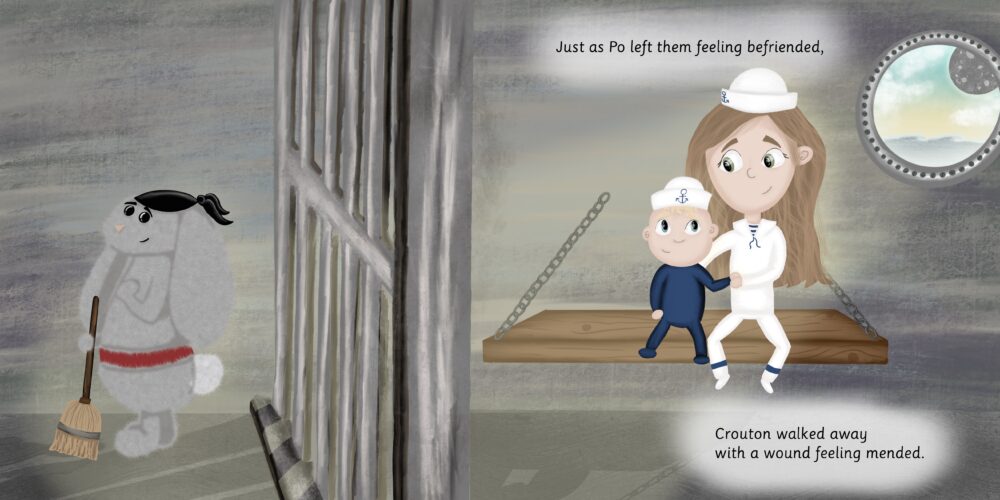
I hope kids read my books and leave with a greater sense of curiosity about the people around them. In Little Miss Therapist, Sparrow wonders what makes “bad guys” bad. One of my favorite things to do with my kids is play make-believe, creating entire backstories for imaginary characters. Together, we explore the messiness and complexity of being human through play. My hope is that these books invite other families into those same kinds of conversations – asking, How did people become who they are? How does that shape how they see the world, God, and others?
Related question—the work we do is never independent of the places in which we do it. How is your work shaped by or affected by your program at The Seattle School?
The Seattle School has been part of my life for nearly a decade now. The MACP program has deeply influenced how I show up for my clients, my kids, and even my own younger self. Seeing the creativity, authenticity, and bravery of so many people in my cohort inspired me to stop waiting for the “right time” and finally share the work I had been creating.
When you imagine people engaging with your books, what do you hope for them? Any inspiration, ideas, or questions you want folks to walk away with?
Curiosity. I hope my books help create an awareness for kids and families that everyone has a story behind their behavior. I hope they cultivate empathy and compassion as we move through life and inevitably bump elbows with other people. Helping our kids learn to pause and wonder why people behave the way they do is one of the greatest gifts we can give – not only to them, but to the communities they will one day help shape.
When kids encounter “bad guys,” I hope they pause and ask:
- What need is being expressed?
- What part is being protected?
- I wonder where that person learned that?
What inspires you or gives hope right now?
Every time I pick up a children’s book! Even for adults – if you aren’t sure what to read next or you are burnt out on reading. Go pick up some children’s books.
Where can people find your work?
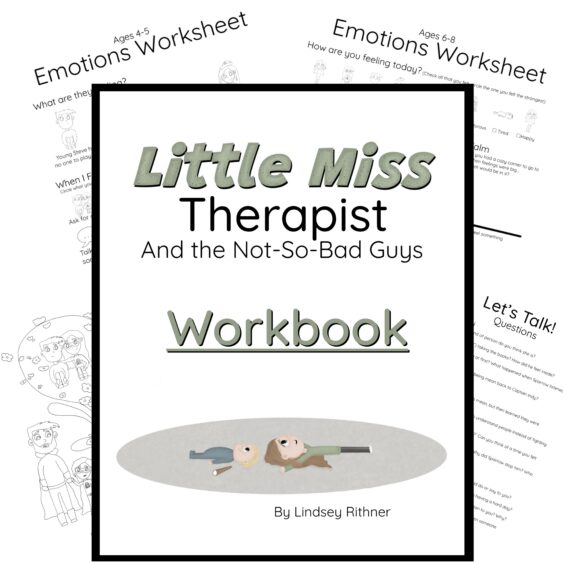
Little Miss Therapist is available on Amazon. It’s also available in select libraries in Colorado!
You can check out more about my book, upcoming books and my work as a counselor here and on Instagram.
Lastly, is there anything else you’d like for us to know?
One thing I’ve learned through both counseling and children’s literature is that curiosity changes relationships. Whether I’m sitting across from a therapy client or reading with my own kids, I keep coming back to the same belief: people make more sense when we know their stories. If my books help even one child grow into an adult who pauses with a little more compassion and a little less certainty, then they’ve done exactly what I hoped they would.
Thank you Lindsey for sharing with us! Check out samples of her work below!