

Webinars at The Seattle School
Introducing Slant!
An online conversation series with Seattle School faculty and friends
In a world shaped by fragmentation, anxiety, and quick answers, many of us are longing for a different kind of learning that makes space for complexity, depth, and honest conversation. The Seattle School invites you to join a global community of healers exploring provocative, challenging, and nuanced perspectives in theology, psychology, and culture to discover G-d at work beyond certainty and stability. In times of fragmentation and accelerating crisis, our society often pushes us toward simple answers and definitive solutions. Yet these responses can unintentionally reinforce the very dynamics of disconnection we hope to mend.
Slant, a series of webinars, invites us to a different kind of educational posture: where we learn to listen deeply to the pains of our world, holding its complexity with attention and care. These webinars are designed for the the next generation of healers and rebuilders exploring theology, psychology, and culture in an educational space that honors:
- Formation Without Fixing
- Curiosity Over Control
- Being with (rather than solving) Uncertainty
2026 Spring Webinars
Do You Hear What I Hear? Listening In and To Such Diverse and Polarized Times
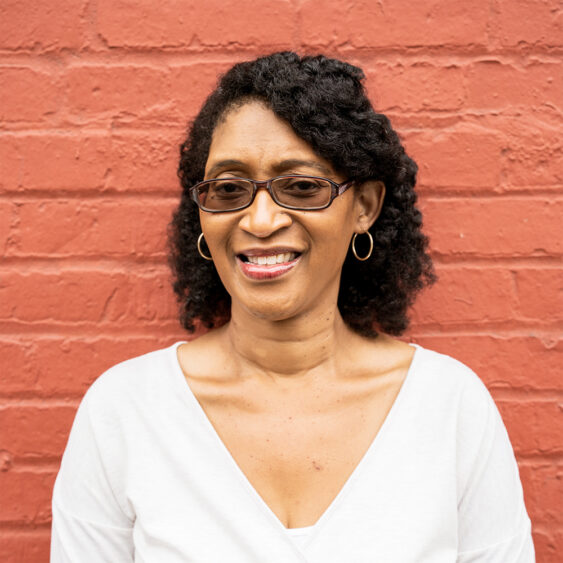
Dr. Monique Gadson
April 30, 2026
9:30-11:00amPST
During times of deepening polarization, increasing anxiety, and ongoing chaos, it can seem everyone is saying something to no avail. Are we listening to one another? Are we listening for shared values? Growing an understanding of one another? Or are we reacting from our own triggers and concerns? During this webinar, we will discuss how becoming an embodied listener is part of our reasonable service to loving others. How can we posture ourselves to be ones who discern the times and understand what to do?
Beyond Pews and Couches
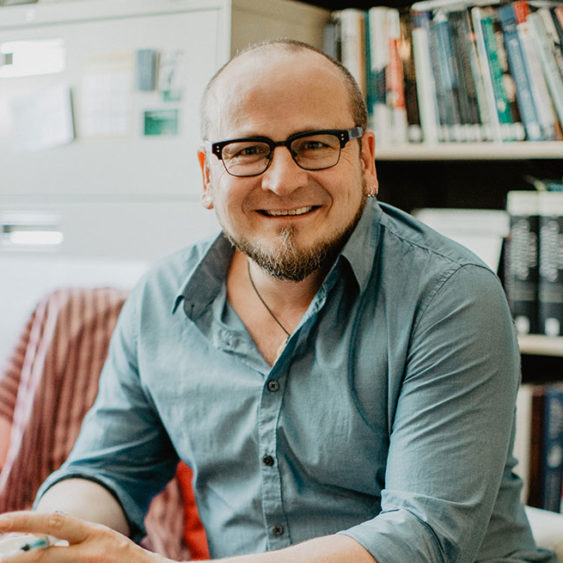
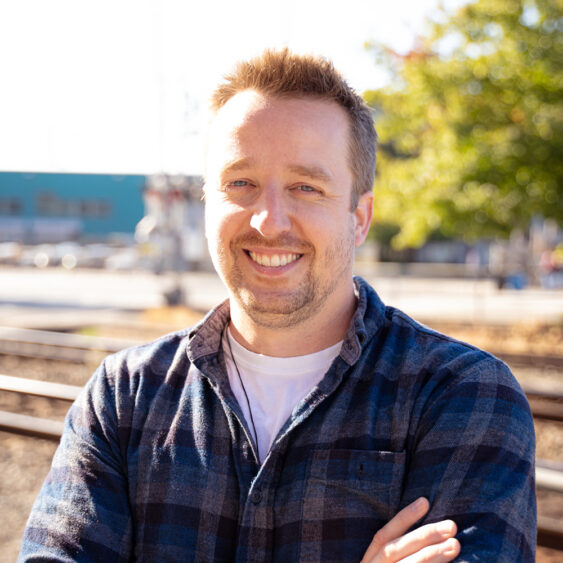
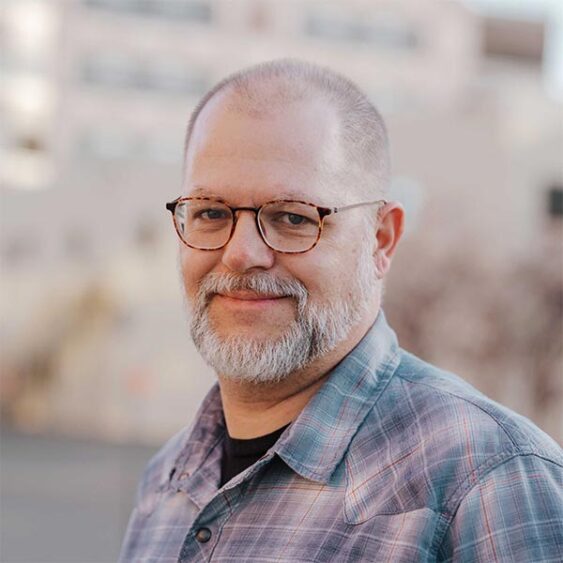
Dr. Dwight Friesen, Dr. Paul Hoard, and Dr. Joel Kiekintveld
May 28, 2026
9:30-11:00 am PT
What if there is more beyond traditional church and talk therapy models? Join theologians, Dwight Friesen and Joel Kiekintveld, in conversation with psychologist, Paul Hoard, as they explore the question of therapeutic models beyond church pews and the therapy couch.
How do we use the transformative tools of psychology and theology, but also not get stuck in models that lack responsiveness to these times?
Drawing on insights from psychoanalyst, Jacques Lacan, and sociologist, Philip Rieff, we will explore alternative pathways to discourse that critique the assumption that knowledge is held through mastery, control, and order.
2026 Summer Webinars
Purity Culture and the Therapeutic Turn in American Evangelicalism
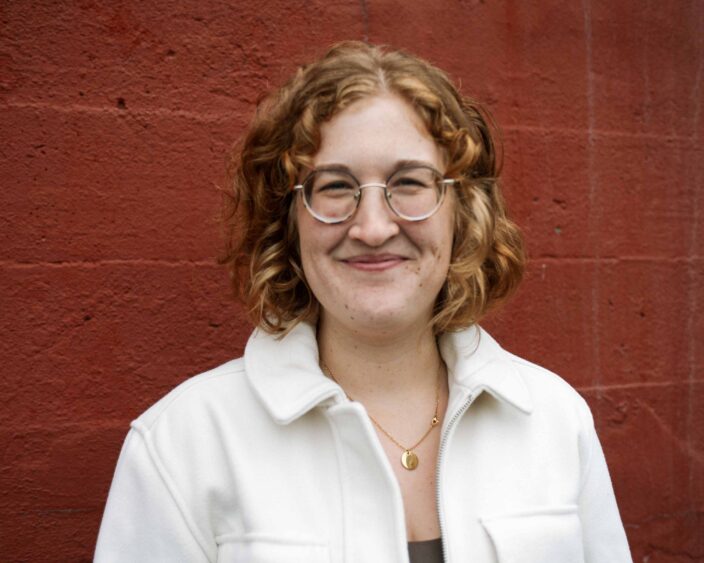
Dr. Lauren Sawyer
June 25, 2026
9:30-11:00 am PT
The purity movement of the 1990s is often remembered as a grassroots response to the sexual revolution—a return to “biblical values” in the face of cultural permissiveness. Yet this framing obscures purity culture’s deeper roots in a century-long evangelical negotiation with modernism. This webinar traces how American neo-evangelicalism, born from the fundamentalist-modernist conflicts of the early twentieth century, ultimately capitulated to the very therapeutic frameworks it once rejected—and how purity culture emerged as a product of that accommodation.Drawing on research from her book Growing Up Pure: White Girls, Queer Teens, and the Racial Foundations of Purity Culture (NYU Press) alongside the work of scholars Heather Hendershot, Heather R. White, and Sara Moslener, this session examines how mid-century evangelicals adopted psychological and therapeutic language from their liberal Protestant counterparts, repackaging secular knowledge as “biblical truth.” By the 1970s, figures like James Dobson had fully embraced this therapeutic Christianity, positioning the nuclear family as the fundamental unit of national strength—and adolescents as both its most vulnerable members and its greatest threat. The family values rhetoric of this era, visible in anti-abortion campaigns, welfare reform debates, and proto-purity culture language, consistently placed young people at the center of a moral panic. Within this framework, sexual purity emerged as a cure—a therapeutic intervention promising to heal adolescents, restore families, and ultimately safeguard the nation.
This webinar invites participants to consider how understanding purity culture as a therapeutic project shapes ongoing conversations about sexuality, faith, and formation in Christian communities today.
Eucontamination: Disgust Theology and Psychoanalysis in Practice
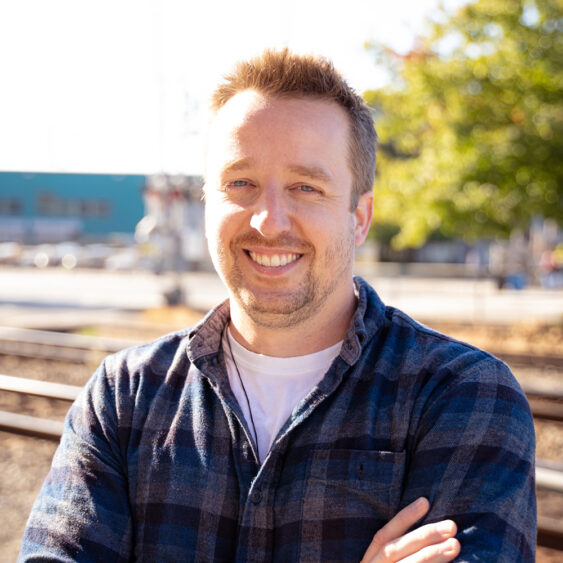
 Dr. Paul Hoard and Billie Hoard
July 30, 2026
9:30-11:00 am PT
This conversation explores Eucontamination as a theological framework for understanding how disgust shapes our inner lives, communities, and responses to difference. Building from their book Eucontamination, Paul and Billie Hoard argue that disgust is not merely an emotional reflex but a formative moment that reveals what we fear, what we exclude, and what we imagine holiness to be. Eucontamination names a counter-movement—an openness to what unsettles—that mirrors the pattern found in the life of Jesus, who consistently inverted the logic of disgust. Rather than reinforcing boundaries between clean and unclean, pure and impure, Jesus moved toward lepers, the bleeding woman, sinners, and the marginalized, contaminating the very categories meant to keep him separate. His ministry reveals that transformation often occurs precisely where disgust would have us withdraw.
Join this webinar to explore theory and practical application, offering ways leaders and communities can work with disgust as it arises around bodies, stories, social difference, and conflict.
From Aspiration to Action: Equipping White Folks for Anti-Racist Practice
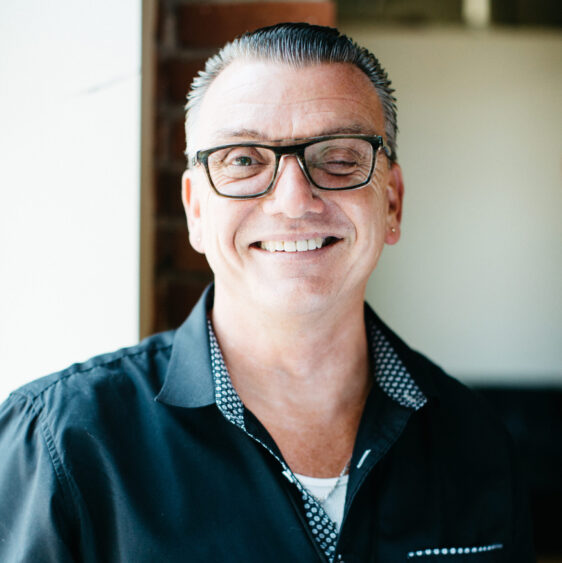
Dr. Ron Ruthruff and Dr. Paul Hoard
August 27, 2026
9:30-11:00 am
Register Here
Many White individuals express aspirations toward anti-racism, yet struggle to translate these intentions into meaningful action that fosters belonging for all. How can we help White members of our organizations move beyond ideological platitudes to embodied practices that build equitable communities?
Drs. Paul Hoard (psychology) and Ron Ruthruff (theology) have spent the past three years grappling with this challenge within a theological institution. In this webinar, engage with the psychological and theological factors that often inhibit white individuals’ ability to sustain anti-racist action—particularly the temptation to protect an idealized self-image rather than confront uncomfortable realities.
Participants will explore policies and practices that cultivate equity and inclusion in churches, schools, and agencies. This conversation asks new questions to help organizations move toward credible, community-rooted anti-racist practice.