
Master of Arts in Counseling Psychology
Live out your incarnational calling through counseling psychology
3 years to complete
66 credit hours of coursework
At The Seattle School, we believe the capacity to heal others begins with your own transformation. Our Master of Arts in Counseling Psychology is rooted in the conviction that people are formed, wounded, and healed in relationship. That’s why this program centers on deep personal formation, relational and psychodynamic theory, and embodied, integrative practice.
You won’t just learn techniques—you’ll become someone who can hold space for others with wisdom, courage, and compassion.
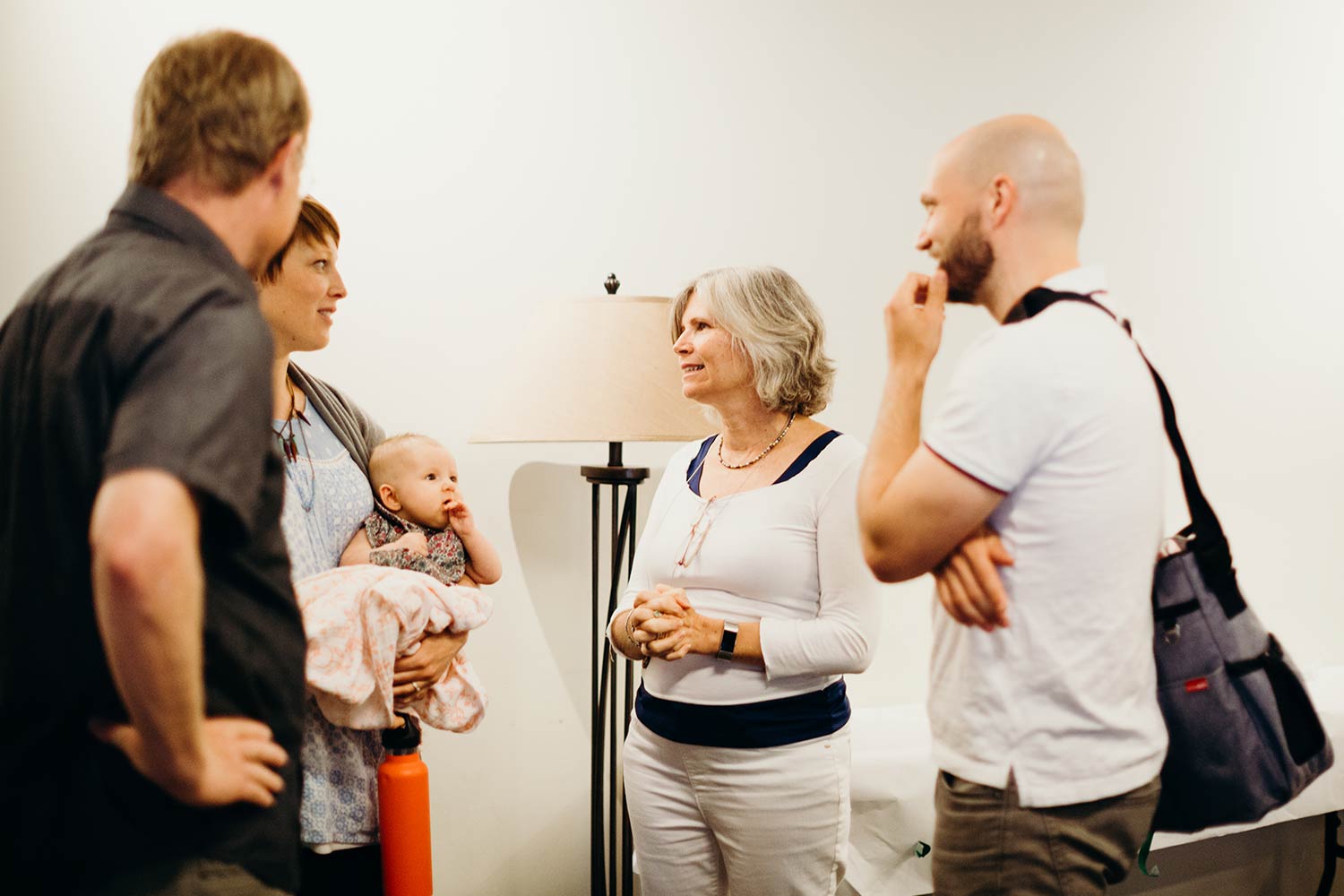
Distinctives of the Seattle School’s Master of Arts in Counseling Psychology
Personal Formation as Core Curriculum
Your own story matters here. From the beginning, you’ll engage your personal history, emotional life, and blind spots through practices like required therapy, small group work, and experiential learning. We believe who you are is as important as what you know.
Relational & Psychodynamic Approach
We train therapists who understand the power of relationship—both in how we are shaped, and how we are healed. You’ll study the deep roots of psychodynamic therapy, including attachment theory, trauma work, and object relations while learning to track relational patterns in real time.
Theology, Psychology, and Culture in Dialogue
We bring psychology into conversation with theology and cultural analysis—not to impose answers, but to help you wrestle with the sacred, the systemic, and the human. Our students are spiritual seekers, social critics, and compassionate listeners.
Optional Concentrations for Advanced Depth
One of the unique offerings of the MACP program, is our optional concentrations in either Narrative Focused Trauma Care (developed by Dr. Dan Allender and rooted in story-based healing) or Psychoanalytic Psychology: British Object Relations. Both offer a deeper exploration of theory and practice, allowing you to tailor your training to areas of specialized interest while enhancing your clinical imagination.
Licensure-Aligned & Clinically Rigorous
Our MACP is designed to meet most state licensure requirements and includes hands-on practicum, diagnostic training, and internship experience. You’ll graduate ready to serve in a range of clinical settings—from inpatient to private practice.
A comprehensive list of educational requirements for licensure by state can be found here.
Program Format
The MACP is a three-year, 66-credit program designed to support both academic depth and personal formation. Your clinical internship takes place during the final year. You will be guided through the process of applying to internship sites in our growing network of approved sites – locally, nationally, and internationally
Format Comparison: On-Campus vs. Low-Residency
| Feature | On-Campus Format | Low-Residency Format |
| Location | Attend weekly in-person classes in Seattle | Weekly online coursework + 4 in-person residencies over first 2 years |
| Best For | Students near or looking to relocate to the Seattle area | Students needing location flexibility or balancing work and ministry |
| Community Experience | Weekly campus life & peer learning | Retreat-style residencies for deep relational and embodied learning |
| Internship Sites | Local sites in the Seattle metro area | Guided support for finding sites in your local community |
For low-residency students, you’ll attend four retreat-style residencies in your first two years that include workshops, embodied learning, co-curricular practices, and community building. These are pivotal moments of reflection and connection, designed to deepen both your learning and your sense of calling. Read more about low-residency in our FAQ
In this three-year, 66-credit graduate program, you’ll be equipped to:
- Cultivate radical self-awareness through your own therapy and interpersonal exploration
- Engage psychodynamic theory in ways that honor depth and complexity
- Practice therapy that integrates psychology, theology, and cultural context
- Develop an awareness of the impact of your own narrative
- Gain the clinical and diagnostic skills required for licensure and real-world impact
- Embody the therapeutic relationship as the heart of transformation
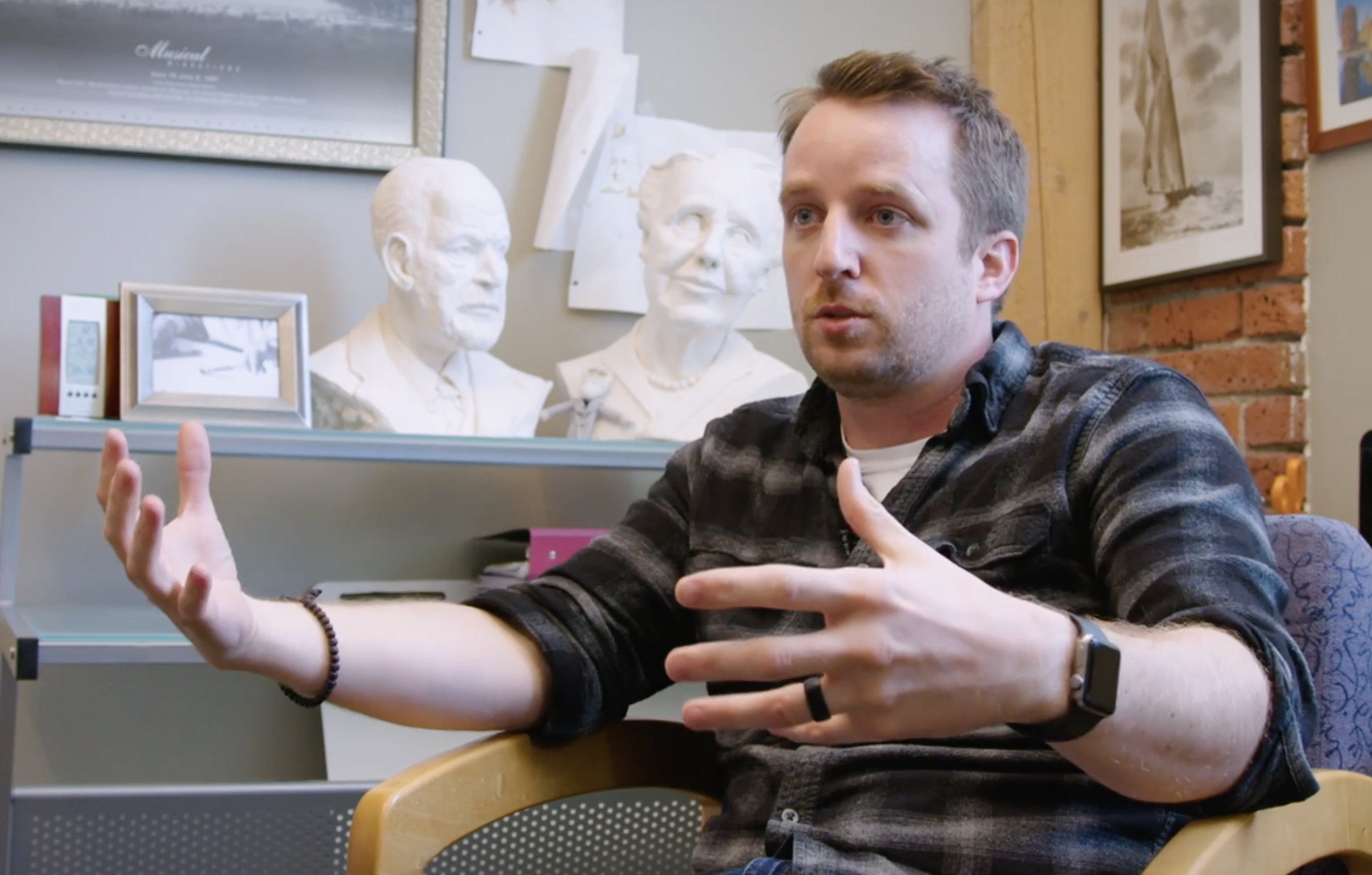
“In the Counseling Psychology program, we invite students to inhabit their full selves — their story, their social location, their limits — within a deeply relational learning environment. ”
Paul Hoard, PhD
Associate Professor of Counseling Psychology Meet Our Core Faculty
What You’ll Learn & Experience by Year
Year One: Formation and Foundations
Our Common Curriculum is about developing a strong inner core—because the therapeutic relationship starts with you. You’ll begin exploring your own story and interpersonal patterns while grounding yourself in psychological theory and theological inquiry. You are required to complete at least 40 hours of personal therapy during this year.
In your first year, you’ll participate in a Common Curriculum alongside future therapists, pastors, artists, and activists. This interdisciplinary foundation brings theology into conversation with psychology, narrative, and lived experience.
Key areas of study:
- Self-awareness and emotional intelligence
- Foundations of psychological theory
- Family systems and developmental frameworks
- Cultural identity and theological anthropology
- Research methods and interpretive practices
Sample Courses:
- Interdisciplinary Inquiry & Psychological Frameworks
- Family Systems
- Biblical Traditions & Theological Formations
- Listening Lab I & II
- Human Growth & Development
- History & Systems of Psychology
Year Two: Clinical Skills & Theoretical Integration
Now that you’ve built a foundation of personal and interpersonal awareness, year two focuses on developing your clinical voice. You'll begin practicing therapeutic skills, crafting your philosophy of change, and exploring how trauma, diagnosis, and culture intersect.
Key areas of study:
- Counseling technique and client relationships
- Trauma, psychopathology, and diagnosis
- Ethics and the law
- Cultural humility and systemic awareness
- Integration of theology, psychology, and your own healing journey
Sample Courses:
- Helping Relationships I & II
- Assessment, Appraisal & Diagnosis
- Psychopathology
- Professional Ethics & Law
- Social & Cultural Diversities
- Counseling Practicum (Pre-Internship)
Year Three: Clinical Embodiment & Professional Formation
In your final year, you’ll enter a supervised internship where you’ll work directly with clients in a mental health setting. This is the year your learning becomes embodied—you’ll show up as a real therapist, in real situations, with real people. Faculty, supervisors, and peers will support you as you refine your voice and vision.
Key areas of study:
- Clinical supervision and internship experience
- Group therapy theory and facilitation
- Vocational discernment and professional identity
- Feedback, reflection, and lifelong integration
Sample Courses:
- Group Therapy
- Internship I & II
Beyond Graduation: Where Alumni Serve
Our graduates serve in diverse settings—bringing healing, care, and transformation to individuals and communities across clinical, educational, and faith-based contexts.
Our alumni work in:
- Private practice
- Community mental health agencies
- Trauma recovery centers
- Inpatient and outpatient facilities
- Faith-based counseling centers
- Social impact organizations
- Higher education and pastoral care
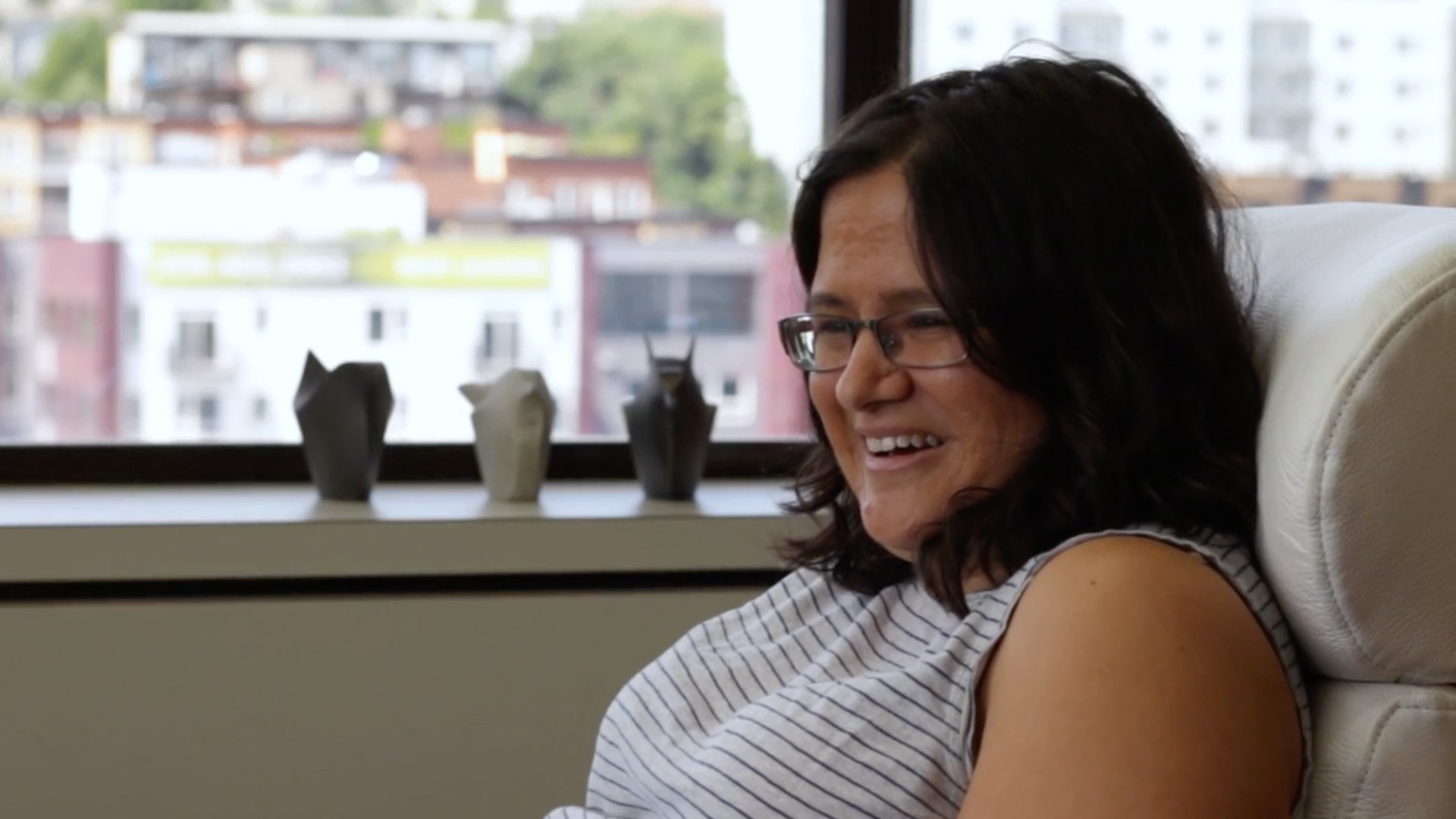
“Helping people is lovely and for whose sake do you want to help people? And what do you do when you can't and how do you tolerate that with kindness and strength? ”
Smruti Desai
MA in Counseling Psychology '09 Explore MACP Voices
Ready for the next step?
Connect with us! Request more information or apply today, and we’ll send you everything you need to know begin your journey.